How Thai Pongal Is Celebrated in Jaffna: Tamil Traditions
Understand Pongal cooking, kolam, thanksgiving and family visits, with practical advice for experiencing Tamil traditions respectfully in Jaffna.
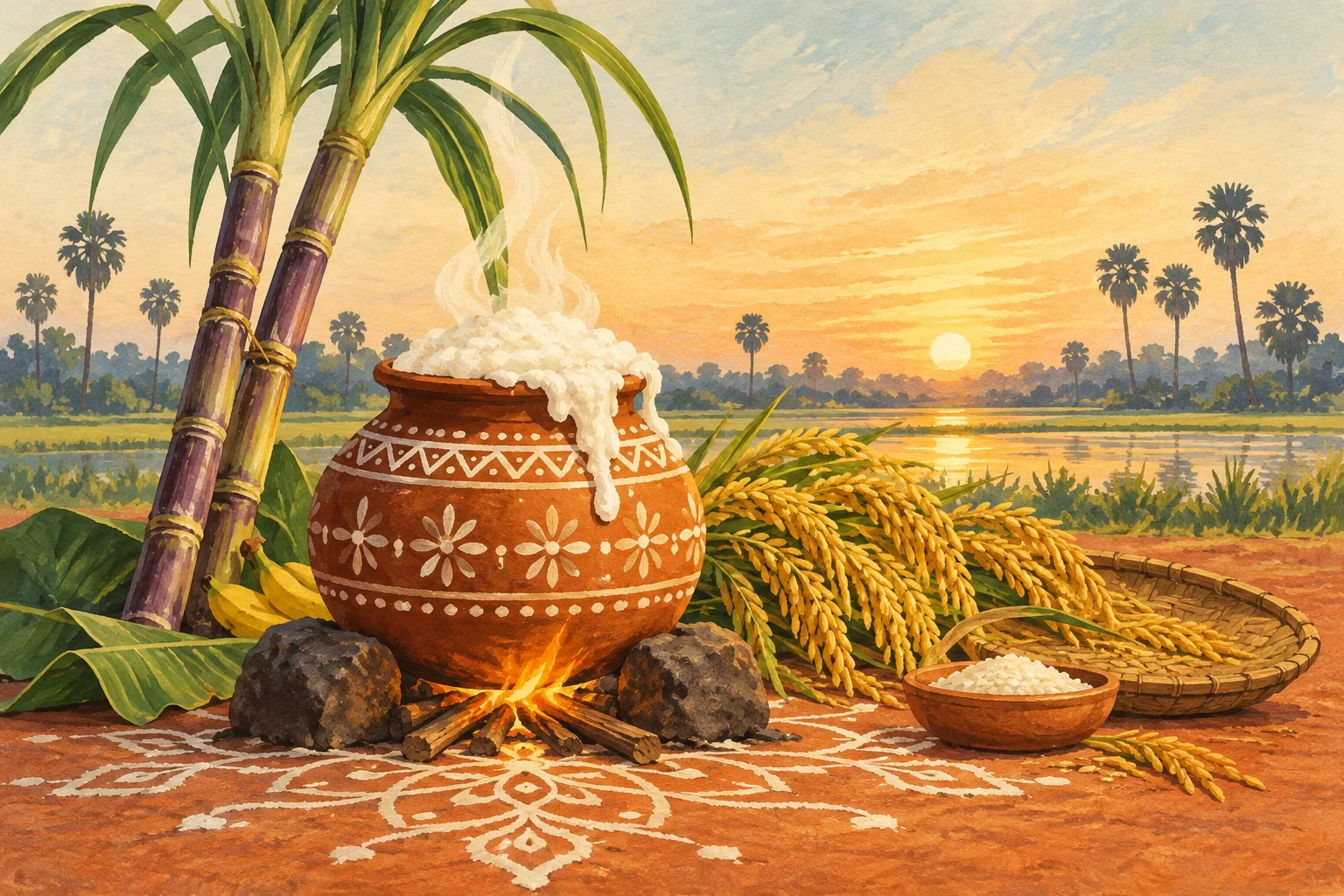
Symbolic artwork, not a photograph of a household celebration. Tour Jaffna · AI-generated illustration
A household celebration, on the family’s terms
Thai Pongal brings harvest thanksgiving into the home. Rice, milk and the act of sharing food give visitors a starting point for understanding the festival, but a household is not an attraction with a public admission policy. In Jaffna, the most considerate way to take part is through an invitation and a conversation about what your hosts are comfortable sharing.
This account draws on published Sri Lankan cultural references, including the Office for National Unity and Reconciliation’s festival handbook. It is not a report from an observed family celebration. Practices vary with religious commitment, family history, space and personal circumstances; no single sequence describes every Tamil household.
Key takeaways
- Accept household invitations without assuming public access.
- Ask before photographs, helping with cooking or joining worship.
- Use the annual guide for dates; family customs are not an event timetable.
Preparing the home and making a kolam
The handbook describes cleaning the space and creating a kolam as preparations for household Pongal. These decorative floor patterns are part of the setting for worship and celebration. If you encounter one at a doorway, pause before stepping across it and ask where to stand.
Preparation can be a useful moment to learn, if invited. Ask whether help is wanted rather than taking over a task or treating it as a demonstration. A short question about a particular design is more respectful than assuming that each colour or shape has one universal explanation. Avoid requesting that a family recreate work just so you can photograph it.
What the overflowing pot means
Sri Lanka’s Ministry of Mass Media describes the cooking of newly harvested rice with milk as an expression of hope for prosperity. The overflowing pot is a familiar symbol of Pongal. The significance lies in thanksgiving as well as the food itself; a visitor does not need to perform a ritual to acknowledge that meaning.
If cooking takes place over an open flame, keep bags, loose clothing and children clear of the working area. Let the person cooking decide where observers can stand. Do not move utensils, offerings or decorative materials to improve a photograph.
Pongal rice, offerings and sharing
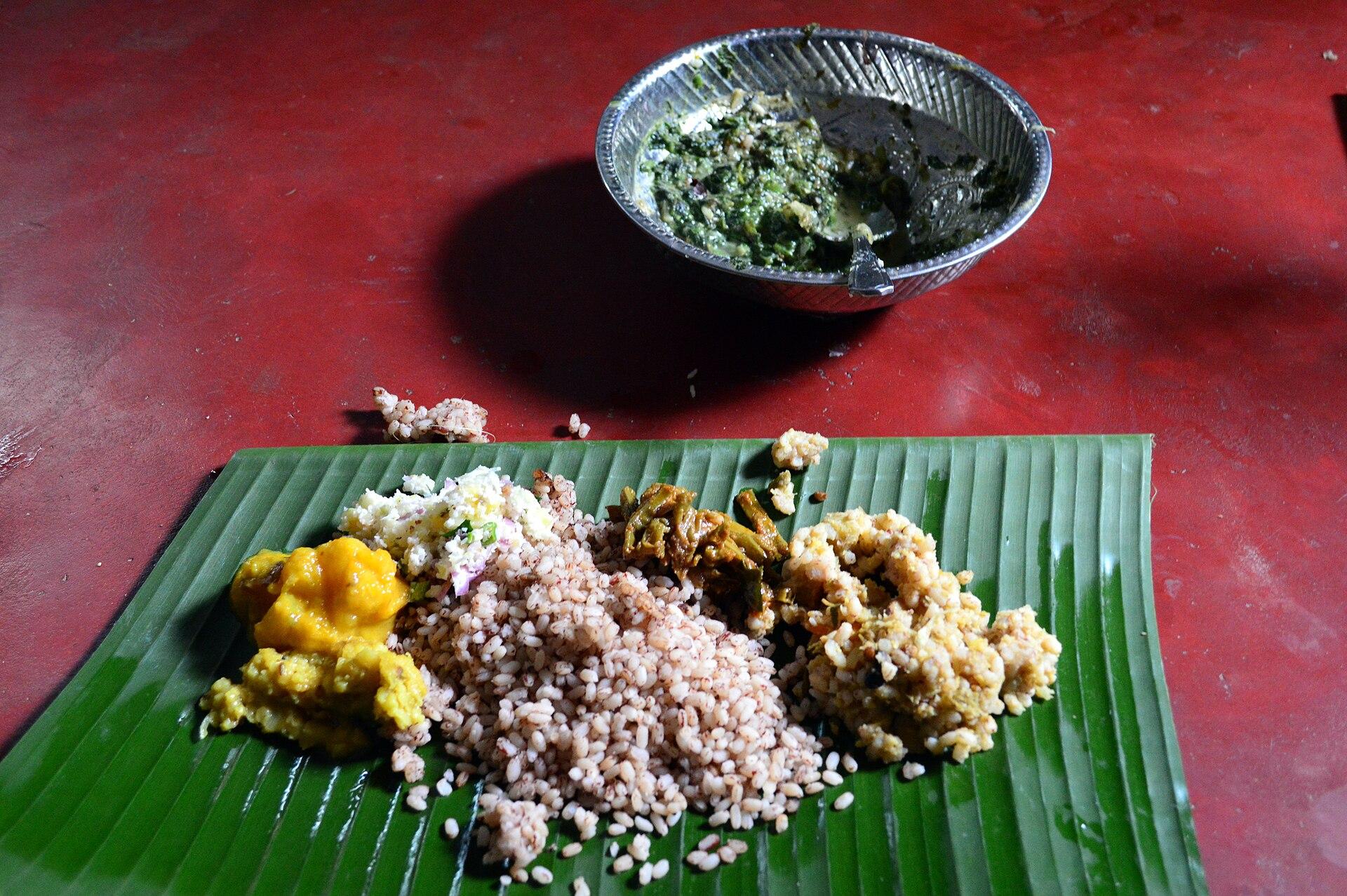
The cultural handbook describes sweet Pongal made with rice and milk, with ingredients such as jaggery and ghee. Recipes and accompanying dishes vary. Milk, ghee or nuts may matter to a guest with dietary requirements, so discuss ingredients before the celebration rather than at the moment food is served.
Follow the household’s lead about when food is offered and when guests may eat. Ask before helping yourself or packing anything to take away. Food sharing can be an expression of hospitality without being an obligation to provide a visitor with a full meal. Our Jaffna food guide offers a broader introduction for the rest of your trip.
Thanksgiving, worship and family connections
The Ministry’s 2026 Pongal message connects thanksgiving with the sun, nature and the cattle that support cultivation. This agricultural background helps explain why the festival matters beyond an individual recipe. Religious expressions of gratitude should be described as beliefs and practices, rather than as performances for travellers.
Families may combine worship with time together and visits. A visitor’s schedule should leave room for that privacy. Ask your host how long to stay, whether other relatives are expected, and whether there are moments when the family would prefer to be alone.
Household invitations and public programmes
An invitation to one home does not imply access to neighbouring houses, temples or schools. Equally, a past civic Pongal celebration is not evidence of a public event in the coming year. The annual Thai Pongal guide separates the national holiday from confirmed local arrangements.
Before paying for a cultural experience, ask who is hosting it, what the host has agreed to, what the price includes and whether photography is welcome. A respectful visit should not depend on persuading a family to alter a religious observance.
A thoughtful way to organise the day
Keep your morning flexible if you have accepted an invitation. Confirm the meeting place, the preferred clothing and the return journey the day before. Ask whether bringing something would be welcome; do not assume that a particular gift or food is appropriate.
Plan sightseeing for another part of the day rather than asking a host to fit a ceremony between your booked excursions. Nallur Temple, the Jaffna market and the public library can provide context for a longer stay, subject to their own access arrangements. None is presented here as a confirmed Pongal venue.
Photographs, consent and what to remember
Ask separately about photographs of people, food preparation and worship. Permission for one picture does not mean permission to film the whole occasion or publish images of children. Put the camera away if anyone seems uncomfortable.
You may leave with a better understanding of one family’s traditions rather than a complete account of Pongal in Jaffna. That is a useful distinction. For the festival’s wider background, read the evergreen Thai Pongal guide; for weather and itinerary ideas, continue to visiting Jaffna in January.
Sources and verification
- A Handbook on Celebrating Religious and Cultural Festivals in Togetherness
Office for National Unity and Reconciliation · Checked 2026-11-14
Reviewed the previously archived official handbook; live download unavailable on this check.
- Thai Pongal: harvest, rice and milk traditions
Ministry of Mass Media, Sri Lanka · Checked 2026-11-14
Background reference; it does not confirm a local 2027 programme.
- Thai Pongal Day Message — 15 January 2026
Ministry of Mass Media, Sri Lanka · Checked 2026-11-14
Background reference; it does not confirm a local 2027 programme.
Need this turned into a trip route?
Send your dates, group size, and interests for a Jaffna plan built around local logistics.